The Final Algorithm By Dieter Gerhardt’s fictional memory
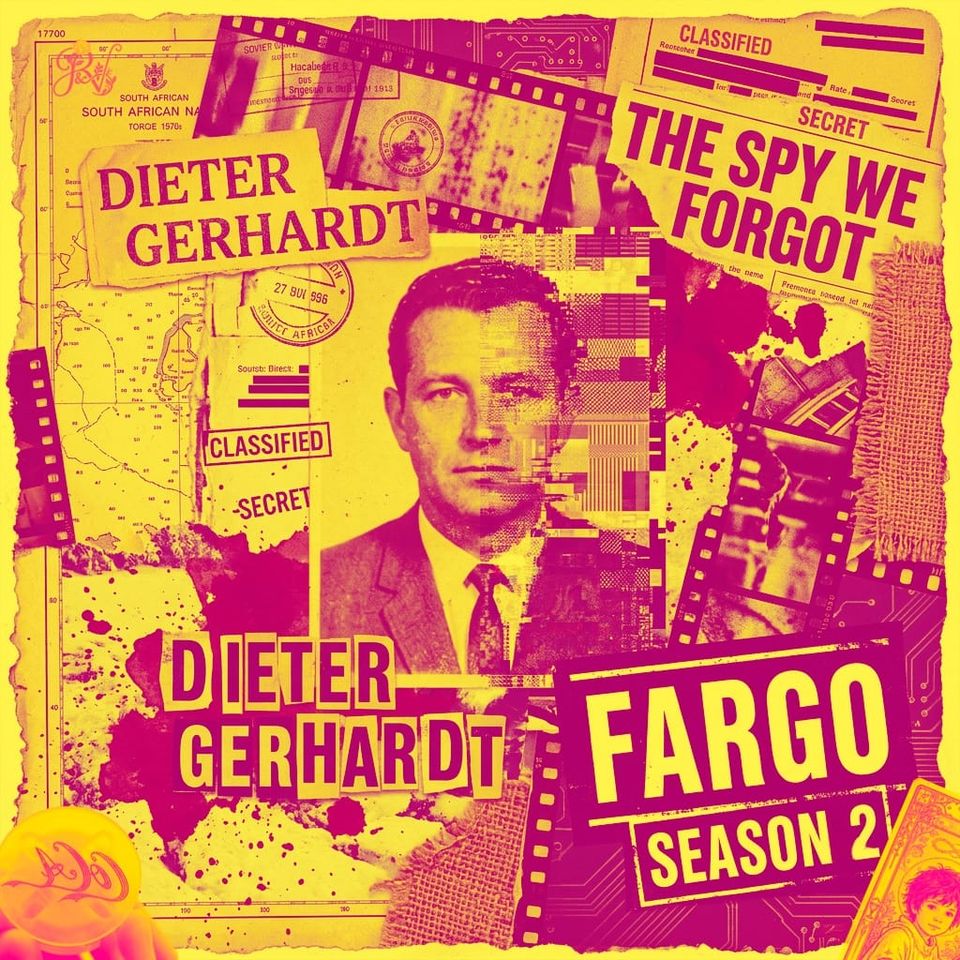
When the real Dieter Gerhardt died in July of 2026, there was the briefest flicker of a resurrection. For a few fleeting hours, the name hit the international wires. Obituaries went live, detailing his ninety years on earth, his decades as a Soviet operative within the South African Navy, and his complicated legacy as a man who fought the Apartheid regime by serving the collapsing Soviet empire.
For a moment, it seemed the story in the file named Dieter Gerhardt might finally break the surface of modern consciousness. The Wikipedia traffic spiked. A few history podcasts rushed to scrape together emergency episodes. The machinery of modern intrigue began to turn, sensing an untapped Cold War goldmine.
But then, the algorithm intervened.
As the name began to trend, the digital ecosystem did what it does best: it grouped, it categorized, and it confused. Search engines and social platforms saw "Dieter Gerhardt" and immediately deferred to their established metrics. The genuine obituaries were pushed down the feed, swallowed by auto-playing clips of snowy Midwestern shootouts and forum threads dissecting season two of Fargo.
People who saw the trending name didn’t click to read about a real-world espionage master; they clicked because they thought a television actor had passed away, or that a streaming service was reviving a fictional crime syndicate. The few confused posts that trickled out attached the news of a Cold War spy's death to GIFs of a fictional character glaring over a cup of diner coffee.
By the time the historical record could correct the current, the news cycle had already moved on. The death of one of the 20th century's most damaging double agents was instantly diluted, reduced to an accidental promotional bump for a decade-old television show.
It was a quiet, digital burial. The real Dieter missed his window for fame by a matter of years, his epic narrative arriving just a little too late to compete with prestige television. He lived his entire life in the shadows, dodging counter-intelligence and hiding global secrets in plain sight, only to realize at the very end that his most impenetrable cover identity was accidentally provided by a Hollywood screenwriter. (Shoutout to Noah Hawley; did you intentionally make him named after the spy?)


Member discussion